

Cannabis Equipment News (CEN) profiled how Platform Robotics took automotive manufacturing discipline into the trim room and built Softrim, a bladeless cannabis trimmer that removes leaves with silicone fingers instead of blades. The feature also covers how Standard Wellness moved its Ohio operation from blade tumblers to Softrim.
“It delivered on everything – yield, efficiency, quality, and maintenance.”
Matthew Feltner, Director of Ohio Operations, Standard Wellness
From 17 hand trimmers to an automation problem worth solving
The story starts in 2019 at a premium organic cultivation facility outside Detroit. A board member with an automotive manufacturing background toured the first harvest and found 17 people hand-trimming, at three to four hours per pound. He saw a long-term labor risk and a repetitive-motion injury risk. A drum-style trimmer was tried next, and it made things worse: 100 pounds of flower returned only about 50 pounds of saleable bud, against roughly 80 pounds from hand trimming, and the machined flower lost color and picked up an acidic aroma. Platform Robotics was formed a month later.
Why Softrim de-leafs instead of cuts
The engineering team came from aerospace, automotive and consumer products. Early prototypes worked like robotic scissors guided by 3D image recognition, but after scanning more than 50,000 flower images the team concluded that cutting could not scale without damaging buds.
The answer came from the dry room. “When we rolled the dried buds in our hands, most leaves flaked right off – about 90% of them,” said John Baldiga, Vice President of Platform Robotics. Dried leaves turn brittle while buds stay dense, so Softrim was designed to crack leaves away rather than cut them, using micro silicone fingers made from an engineered food-grade material that is firm enough to remove leaf and flexible enough to protect trichomes over millions of cycles.
Single-piece flow, not a tumbler
Most trimming machines tumble flower randomly. Softrim applies the automotive principle of single-piece flow so every bud gets the same treatment. A servo-controlled vertical conveyor passes flower between two silicone-fingered belts: one moves quickly while the other stays nearly stationary and oscillates. The belts adjust to bud size and massage the leaves off, keeping the shape and structure of the flower intact.
No vacuum exhaust to fight trichome buildup
Compressed trichomes form a sticky resin that gums up trimming equipment, and most competitors manage it with vacuum exhaust systems that add maintenance and downtime. The Softrim process is built to resist trichome compression and buildup, so it runs without an exhaust system and with less machine wear.
Softrim by the numbers
| Measure | Result reported in the CEN feature |
|---|---|
| Flower yield, drum or blade methods | About 65% flower / 35% trim |
| Flower yield, Softrim users | 75%–85%, a 10%–20% gain per pound |
| Post-harvest labor | 50%–85% reduction reported by clients |
| First production unit | 10 weeks continuous, 1,500–2,000 lb of outdoor flower per day, nearly 80,000 lb total |
| Standard Wellness throughput | Up to 1,000 lb per day; harvest into final cure within two days |
| ROI threshold | Producers handling more than 800 lb per month |
Standard Wellness: from blade tumblers to Softrim
Standard Wellness is a vertically integrated cannabis company operating in Ohio, Missouri and Utah. Its Ohio team had run traditional blade tumbler trimmers for years and found they fell short on flower integrity and efficiency. Matthew Feltner, Director of Ohio Operations and a BASF alum, brought a high bar for process consistency to the evaluation.
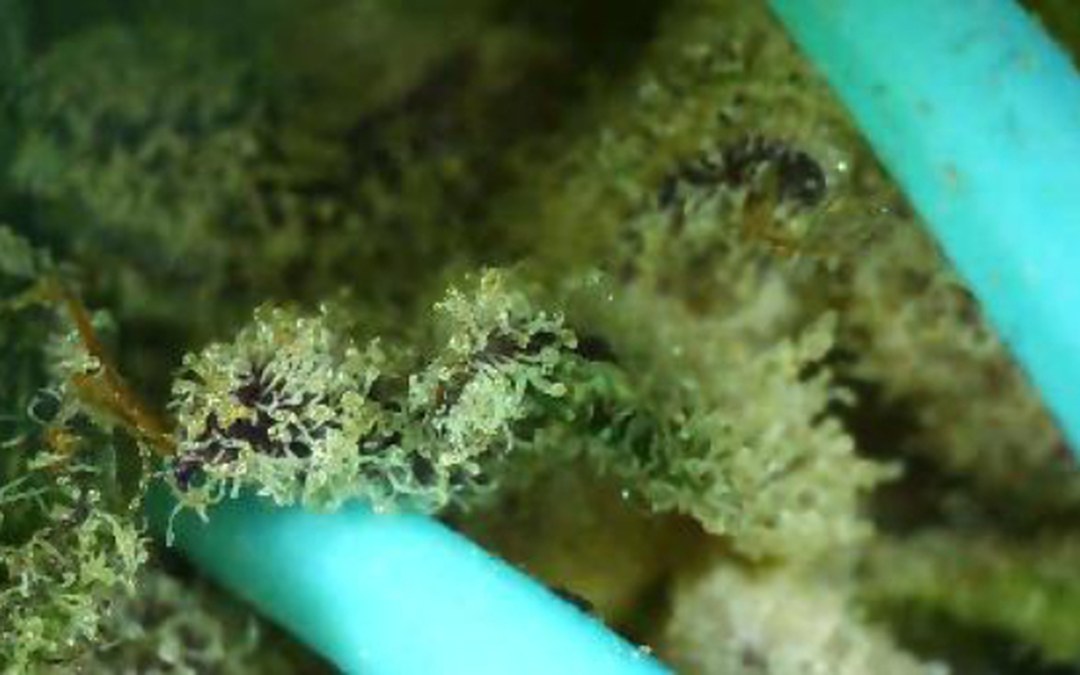
Within the first few days the facility had run several hundred pounds through Softrim, with consistently structured buds and minimal damage. Operators tune the machine for each strain, trim quality improved with cleaner material and less loss, and Feltner reported a meaningful boost in overall recovery within the first month. Under the microscope, he said, the buds and trichomes “looked just as they should right after harvest.” Routine cleaning follows Softrim SOPs and uses a commercial dishwasher with minimal prep.
What defines a good cannabis trimming machine
CEN’s sidebar lists the criteria Softrim was built around:
- Higher flower yield
- Increased THC retention
- Significant labor reduction
- Natural flower structure preserved
- Enhanced aroma and terpene content
- Improved shelf stability
- Minimal post-trim cleanup
- No vacuum exhaust maintenance
- Faster turnaround to market
See Softrim for your operation
Compare capacity across the Softrim cannabis trimmer lineup, see the high-volume Softrim 1000 commercial cannabis trimmer, read more grower testimonials, or browse all Softrim news and events.
Read the full article, “Softrim Reinvents High Throughput Cannabis Trimming with Silicone Fingers,” on Cannabis Equipment News.